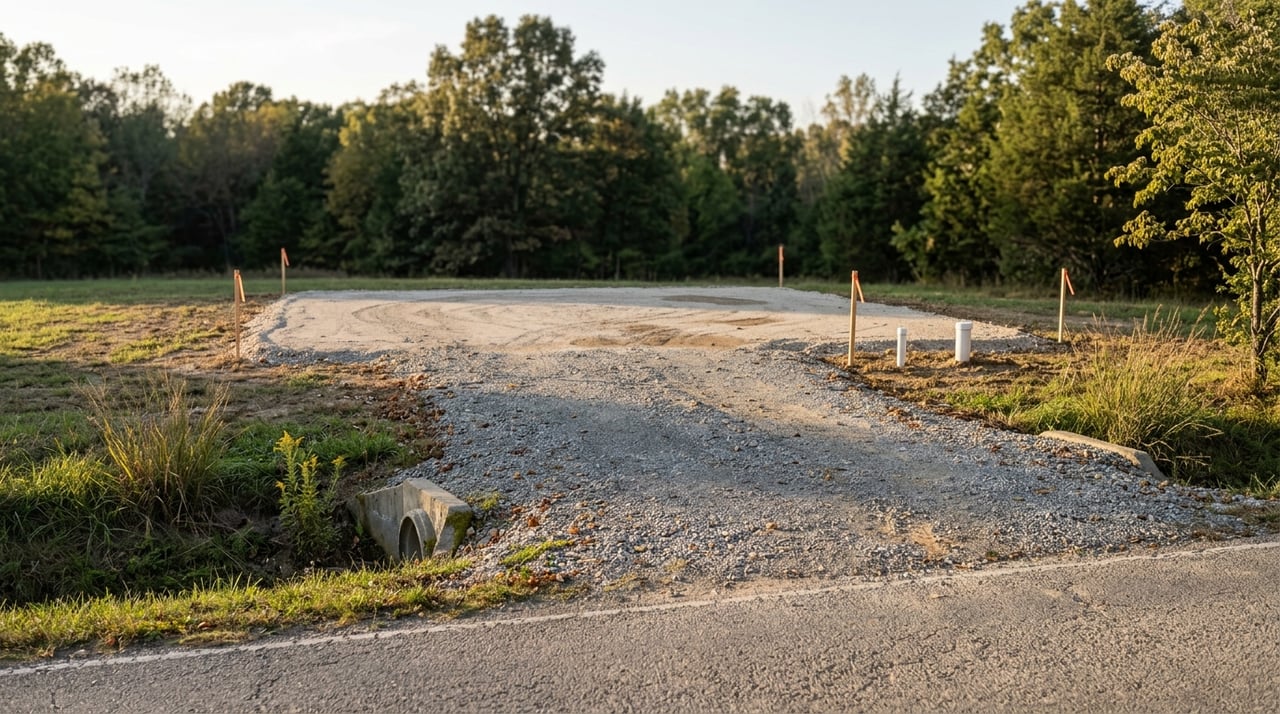
Thinking about buying land in Guernsey County? A pretty listing photo can make any tract look perfect, but acreage purchases usually come down to what the records, regulations, and site details say on paper. If you want to avoid expensive surprises, it helps to know what to verify before you fall in love with a property. Here’s what you should pay close attention to as you start the process. Let’s dive in.
Start With the Parcel Record
When you are buying land and acreage in Guernsey County, your first stop should be the parcel record, not the photos. The Guernsey County Map Department keeps tax maps, road maps, and property data current for tax appraisal and land-planning work. The county planning resources also bring together documents like split applications, subdivision standards, conveyance standards, and the county surveyor list.
The Auditor’s site supports searches by parcel, owner, or address. That gives you a practical way to confirm the legal description and review how the property is identified before you focus only on acreage size. If the tract includes farm or timber ground, you should also review whether there are any CAUV or Agricultural District considerations tied to the parcel.
Check CAUV and Agricultural Status
If you are looking at farm, timber, or mixed-use acreage, tax treatment matters. The Guernsey County Auditor provides CAUV and Agricultural District resources, and CAUV applications are accepted from January 1 through March 31. That timing matters if you are buying land with the expectation that current or future agricultural use could affect carrying costs.
This does not mean every rural parcel qualifies the same way. It does mean you should confirm whether the land is currently enrolled, whether the tax treatment may change after transfer, and what that could mean for your budget. For many buyers, this is an early conversation worth having before making final decisions.
Buildability Starts With Local Rules
A tract can look wide open and still come with limits. In Guernsey County’s unincorporated areas, subdivision regulations apply, and no plat may be recorded and no lot may be sold until the plat is approved. If you are buying a split or a newly created lot, that approval process is not optional.
The county split application packet also makes clear that local zoning minimums still apply. Buyers are directed to the Guernsey County Planning Commission or the relevant village zoning inspector for frontage, lot-width, and lot-size requirements. In simple terms, you want to know early whether the parcel matches the rules for what you hope to do with it.
Questions to Ask About Buildability
Before you move forward, make sure you understand:
- Whether the parcel is an existing legal lot or part of a split
- Whether subdivision approval is required
- What frontage, lot-width, and lot-size standards apply
- Whether any part of the tract is in a 100-year floodplain
- Whether streams, easements, or drainage issues affect the site
These are some of the biggest filters between a piece of land that looks promising and one that is actually usable for your goals.
Access Matters More Than Many Buyers Expect
Road access is one of the first practical questions you should answer. The county split packet asks whether the parcel has an existing driveway and what type of road serves it, including state, county, township, municipal, or private road access. That distinction matters because access, approvals, and maintenance responsibilities may differ depending on the road type.
If the parcel fronts a state route, the packet says buyers should contact ODOT for drive-access approval. That means you should not assume you can place a driveway wherever it seems most convenient. It is smart to treat access and maintenance questions as part of your early due diligence, especially on rural acreage.
Floodplain and Site Conditions Can Change the Plan
Not every beautiful tract is equally simple to build on. County standards for larger subdivisions call for drainage, easements, public facilities, streams, and FEMA floodway or floodplain information. The county split packet also specifically asks whether any part of the parcel lies in a 100-year floodplain.
For you as a buyer, this means site conditions should be part of the conversation from the start. A property may still be valuable and usable, but the layout, cost, and timeline for your plans can change if floodplain or drainage concerns exist.
Septic Suitability Is a Big Deal
For many acreage buyers, septic is one of the most important practical issues. The Cambridge-Guernsey County Health Department says not all lots have enough space or suitable soil for sewage treatment and recommends evaluating the site early. That guidance alone can save you from buying land that does not work the way you expect.
The health department’s site-review materials ask for details such as lot dimensions, bedroom count, structures, obstacles, private water systems, and surface-water features. Both the approved site review and the issued permit are valid for one year. If you are planning to build, timing matters just as much as the site review itself.
Why Early Septic Review Helps
An early review can help you understand:
- Whether the lot has suitable space for sewage treatment
- How site conditions may affect home placement
- Whether water features or obstacles limit options
- What permits you may need before construction begins
This is one of the clearest examples of why land buying is different from buying an existing house.
Water Availability Is Parcel Specific
Do not assume public water is available just because nearby properties have it. The county water department’s consumer report says it buys water from the City of Cambridge, and Cambridge’s 2024 report says the city also sells water to the county water department and Western Guernsey Regional Water District. Even so, service availability is parcel specific.
You should confirm utility availability and tap-in requirements for the exact tract you are considering. If the land will need a private well instead, the health department’s environmental health fee schedule includes private water system permits and water system site-evaluation items. In other words, water planning should happen alongside septic planning, not after the fact.
Surveys and Legal Descriptions Are Often Required
If you are buying a split parcel or land with a new legal description, survey work is usually part of the process. The county split packet requires survey and legal-description work from a registered Ohio surveyor. For a major subdivision, the packet says to include five copies of the survey and legal description, while a minor split requires two copies.
Guernsey County also maintains a current surveyor list. That is helpful because it gives buyers a starting point when a split, boundary clarification, or new description is needed. On acreage transactions, survey timing can affect the full closing schedule, so it is wise to account for that early.
Closing Involves More Than the Purchase Contract
Land closings often have extra moving parts. Guernsey County transfer standards say the Auditor will not approve a transfer unless the documents meet county and Ohio requirements. The Recorder also cannot record a conveyance until the Auditor has endorsed it as Transferred or Transfer Not Necessary.
That means county review is part of the real closing timeline. It is not just paperwork that happens quietly in the background. When you are buying acreage, permit questions, survey work, legal descriptions, and transfer review can all affect how quickly a transaction moves.
Know Which Permits May Come Up
If your plan is to build or improve the property, permit questions should come up early. According to the Auditor, residential building permits in Guernsey County are issued for tax-value purposes only and do not include inspections. Commercial building permits are handled by the Mid-East Ohio Building Department, while plumbing, water, and sewage permits are handled by the county health department.
The county’s guidance lists several common permit-triggering projects. These include new dwellings, additions, porches and decks over 64 square feet, extra buildings, manufactured-home foundations, and solar panels. If your dream property includes a future house, garage, barn, or outdoor project, it is smart to verify requirements before closing.
A Simple Acreage Due Diligence Checklist
When you are comparing land in Guernsey County, keep this checklist handy:
- Verify the parcel record, legal description, and tax information
- Review CAUV or Agricultural District status if applicable
- Confirm zoning, split status, and subdivision requirements
- Check road frontage, driveway access, and road type
- Ask whether any portion is in a 100-year floodplain
- Review septic site suitability with the health department
- Confirm public water availability or private well planning needs
- Determine whether a survey or new legal description is required
- Ask about permit needs for your future plans
- Build extra time into the closing timeline for county review
Local Guidance Makes a Difference
Buying land is exciting, but it also asks more of you than a typical home purchase. You are not just evaluating price and location. You are looking at usability, access, utilities, permits, and county procedures that can shape what happens next.
That is why local guidance matters. When you have someone helping you ask the right questions early, you can move forward with more clarity and a lot less guesswork.
If you are exploring land or acreage in Guernsey County and want steady, step-by-step guidance, Morgan L Denius can help you evaluate your options and move forward with confidence.
FAQs
What should you check first when buying land in Guernsey County?
- Start with the parcel record through county resources so you can verify the legal description, property data, and tax details before relying on listing photos or acreage count alone.
Does a land parcel in Guernsey County need to be surveyed?
- If the property involves a split or a new legal description, the county requires survey and legal-description work from a registered Ohio surveyor.
How do you know if land in Guernsey County is buildable?
- Buildability usually depends on zoning, subdivision approval, road access, floodplain location, and whether the health department determines the site can support sewage treatment.
Can you assume public water is available on acreage in Guernsey County?
- No. Water availability is parcel specific, so you should confirm service and tap-in requirements for the exact tract or plan for private well evaluation if needed.
What septic issues should you review before buying acreage in Guernsey County?
- The health department says not all lots have enough space or suitable soil for sewage treatment, so an early site review is an important step.
Do land improvements in Guernsey County require permits?
- Many do. Common examples include new dwellings, additions, decks over 64 square feet, extra buildings, manufactured-home foundations, and solar panels.