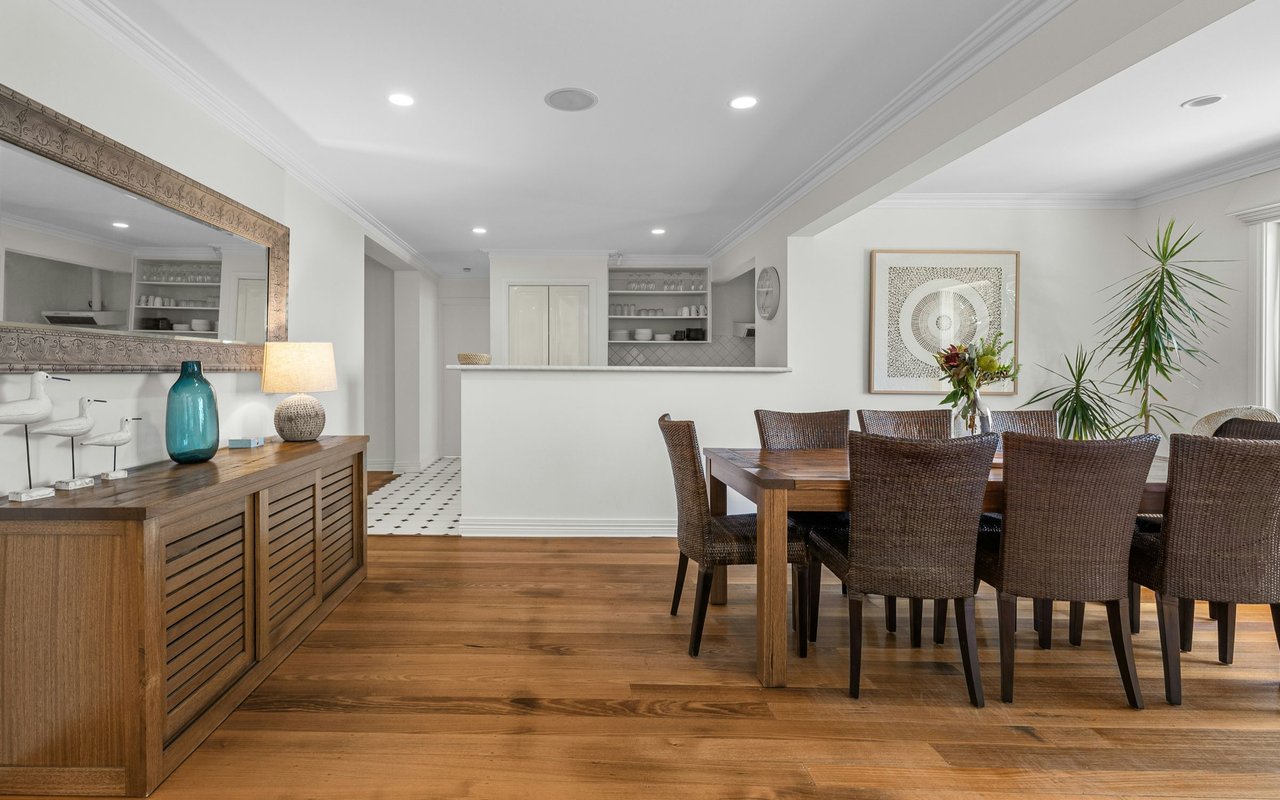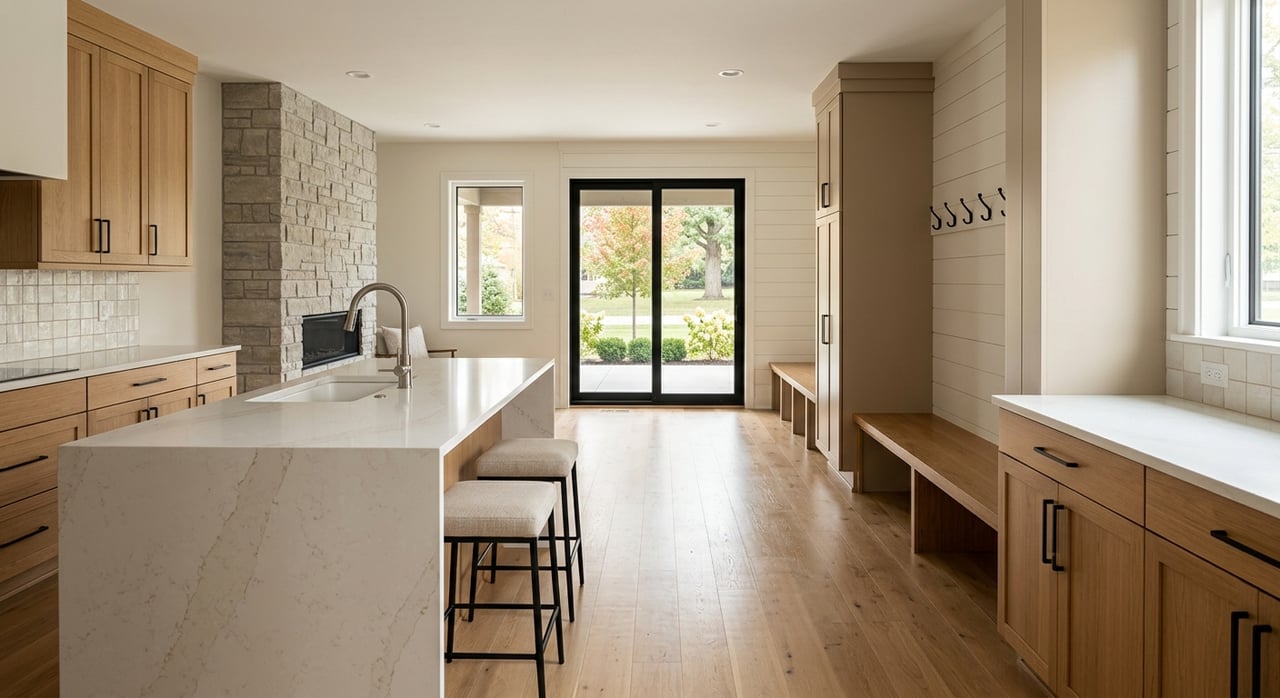
Trying to line up a home sale and a home purchase at the same time can feel like trying to hit a moving target. You want to avoid two mortgage payments, keep your move as smooth as possible, and still make smart decisions with your money. If you are planning a move in Guernsey County, this guide will help you understand your main options, what timelines to expect, and how to build a plan that fits your situation. Let’s dive in.
Why timing matters in Guernsey County
In Guernsey County, timing is a big part of the challenge. Recent market data shows a median sale price of $185,942 in May 2026 and a median of 73 days on market. That means you should plan for some overlap instead of assuming your current home will sell right away.
This is also a mostly owner-occupied market. Census QuickFacts reports an owner-occupied housing unit rate of 72.1%, along with a median owner-occupied home value of $157,700. In a market like this, a careful plan often works better than rushing into both transactions at once.
Should you sell first or buy first?
For many homeowners, selling first is the lower-risk path. Consumer guidance from the CFPB says it is normal to sell your current home before buying another one. This approach can help you know how much equity you will have and reduce the chance of carrying two homes longer than expected.
Buying first can still make sense in some cases. If you need a very specific property, want to avoid a temporary move, or have financing options that give you flexibility, it may be worth exploring. The right answer depends on your budget, your timeline, and how much uncertainty you can comfortably handle.
Your main options for selling and buying at once
Use a home-sale contingency
A home-sale contingency means your offer on the next home depends on selling your current home first. This can protect you from being locked into a purchase before your sale is complete. It gives you a way to move forward without taking on as much financial risk.
There is a tradeoff, though. A seller can often continue showing their home after accepting a contingent offer, and a kick-out clause may allow them to give you a chance to remove the contingency if another buyer appears. If the deadlines in the contingency are not met, the contract can be canceled based on its terms.
Explore bridge financing
Bridge financing is designed for people who want to buy a new home while planning to sell their current one within 12 months. In simple terms, it is temporary financing that helps cover the gap between the two transactions. This is the main buy-before-you-sell option to discuss with your lender.
It is important to remember that this kind of financing is not one-size-fits-all. Loan structure, approval, and costs can vary. Before you count on this option, make sure you understand the payment impact and the timeline for selling your current property.
Negotiate a rent-back
A rent-back can help if your home sells before your next home is ready. In that setup, you close the sale but stay in the property for a set period if the buyer agrees. Written terms should clearly cover compensation and the move-out date.
This can reduce moving stress and give you more breathing room. It is often useful when your buyer is flexible and your purchase is close behind.
Ask about early move-in
In some situations, an early move-in can be negotiated for the home you are buying. That means you take possession before closing if the seller agrees. Like a rent-back, this needs clear written terms.
This is not available in every transaction, but it can help bridge a short gap. It works best when both sides have strong communication and realistic expectations.
Plan for temporary housing
Sometimes the cleanest backup plan is the simplest one. A short-term rental or other temporary housing option can be the lower-risk solution when your sale and purchase do not line up. It may not be your first choice, but it can give you flexibility and keep you from making rushed decisions.
Moving twice is not ideal, but neither is stretching your budget too far. Temporary housing can give you time to shop carefully and close on your next home with less pressure.
Start with financing early
One of the biggest mistakes in a simultaneous move is waiting too long to talk with a lender. The CFPB advises buyers to get at least three preapproval letters. A preapproval is a tentative lender commitment, not a guaranteed loan, but sellers often want to see one before accepting an offer.
Timing matters here too. Preapproval letters often expire in 30 to 60 days, so you do not want to get one too early and forget about it. In Ohio, the Homebuyers Guide also notes that if you are not pre-approved, loan processing can take 30 to 90 days after an offer is accepted.
Build your timeline in writing
When you are juggling two closings, vague plans can create expensive problems. Ohio’s Homebuyers Guide says the purchase agreement should clearly state the price, financing type, earnest money, closing date, possession date, and contingencies. Those details matter even more when your sale and purchase depend on each other.
A clear written timeline should cover:
- When your current home will be listed
- When you will start touring homes
- When your preapproval will be updated
- What contingencies you may need
- Your target closing dates
- Your possession dates for both homes
- When homeowners insurance will be arranged
- Whether rural inspections may be needed
This is where steady communication can make a huge difference. A coordinated plan helps you spot conflicts early instead of scrambling at the last minute.
Prepare for cash-to-close costs
Even if you are using equity from your current home, you still need to plan for upfront costs. The CFPB says closing costs typically run 2% to 5% of the purchase price. Ohio’s guide explains that cash to close includes your down payment, closing costs, and escrows for taxes and insurance.
Your move may also include repair costs, moving expenses, and possible overlap in housing payments. If you are counting on sale proceeds to fund your purchase, be sure your plan leaves room for normal transaction costs and a little extra cushion.
Watch the insurance deadline
Homeowners insurance is easy to overlook when you are focused on the bigger moving pieces. Ohio’s Homebuyers Guide says buyers should arrange homeowners insurance early, and lenders typically will not allow closing without it. That means insurance is not a last-minute item.
Your lender must also send the Closing Disclosure at least three business days before closing. Reviewing that document early gives you time to confirm your final numbers and avoid surprises.
Know the Guernsey County and Ohio details
In Ohio, sellers complete a residential property disclosure form covering material physical conditions such as water supply, sewer, structural condition, hazardous materials, and known defects. For many homes built before 1978, lead-based paint disclosure is also required. If you are selling and buying at once, staying ahead of these forms can help avoid delays.
If your next home is rural, inspections may require extra planning. Ohio’s Homebuyers Guide says buyers should inspect well and septic systems when appropriate, along with termite and other structure-related concerns. This is especially relevant in parts of Guernsey County and nearby areas where rural properties are common.
Title work also matters. Ohio’s guide notes that title search and, if desired, title insurance are important parts of the process. After closing, the deed is recorded in the recorder’s office in the county where the property is located, which is one more reason your dates and paperwork need to stay on track.
Check rural financing options
If the home you want is in a rural area, ask your lender whether USDA financing may apply. Ohio’s Homebuyers Guide lists USDA among the standard loan types, and the USDA Section 502 Guaranteed Loan Program offers 100% financing for eligible rural properties and income-qualified borrowers. Eligibility depends on the property address and borrower qualifications.
For some buyers in Guernsey County, this can open up options that fit a move-up or lifestyle change. It is worth checking early so you know what financing paths may be available before you write an offer.
A practical step-by-step plan
Step 1: Meet with your agent and lender
Start with a clear picture of your goals, budget, and timeline. You want to know what your current home may be worth, what loan options fit your situation, and how much flexibility you have if one transaction moves faster than the other.
Step 2: Price and prepare your current home
A realistic price matters when timing is tight. Ohio’s Homebuyers Guide notes that a licensed real estate agent can help with property values, taxes, negotiations, and inspections, and it suggests checking county auditor information for comparable homes and other relevant details.
Step 3: Get pre-approved and keep it current
Do not rely on old numbers. Get pre-approved, compare lenders, and keep an eye on expiration dates so your financing is ready when the right home appears.
Step 4: Choose your backup plan
Before you list or make an offer, decide what happens if the dates do not line up. Your backup may be a contingency, bridge financing, a rent-back, early move-in, or temporary housing.
Step 5: Coordinate closing and possession dates
Closing date and possession date are not always the same thing. Make sure both are spelled out clearly in your agreements so you know when money changes hands and when you actually move.
Why local guidance helps
Coordinating a sale and a purchase is a lot to manage on your own. In Ohio, closings may involve the buyer, seller, agents, lawyers, and lender representatives, and many are handled in escrow. When two transactions are connected, small delays can ripple through the whole plan.
That is why a local, step-by-step strategy matters. In Guernsey County, details like realistic market timing, rural inspections, auditor information, conveyance-related costs, and possession planning all affect how smoothly your move comes together.
If you are planning to sell one home and buy another in Guernsey County, the goal is not to create a perfect transaction. The goal is to create a smart plan with good options, clear deadlines, and steady communication from start to finish. If you want a personalized strategy for your next move, Morgan L Denius is here to help.
FAQs
Should I sell my current home before buying another home in Guernsey County?
- For many homeowners, selling first is the lower-risk option because it helps you know your available equity and can reduce the chance of carrying two homes at once.
What happens if my home does not sell before I need to buy in Guernsey County?
- Common options include a home-sale contingency, bridge financing, a rent-back, early move-in, or temporary housing, depending on your budget and timing.
How long should I expect a home sale to take in Guernsey County?
- Recent market data showed a median of 73 days on market in May 2026, so it is wise to plan for a real overlap period rather than assuming a quick sale.
What should be written into my Ohio purchase agreement when I am selling and buying at once?
- Key items include the price, financing type, earnest money, closing date, possession date, and any contingencies tied to your current home sale.
Do rural homes in Guernsey County need extra inspections?
- They can, especially when a property has a well or septic system, and buyers may also want termite or other structure-related inspections when appropriate.
When should I arrange homeowners insurance for my next Ohio home?
- Arrange it early because lenders typically will not allow the transaction to close without homeowners insurance in place.