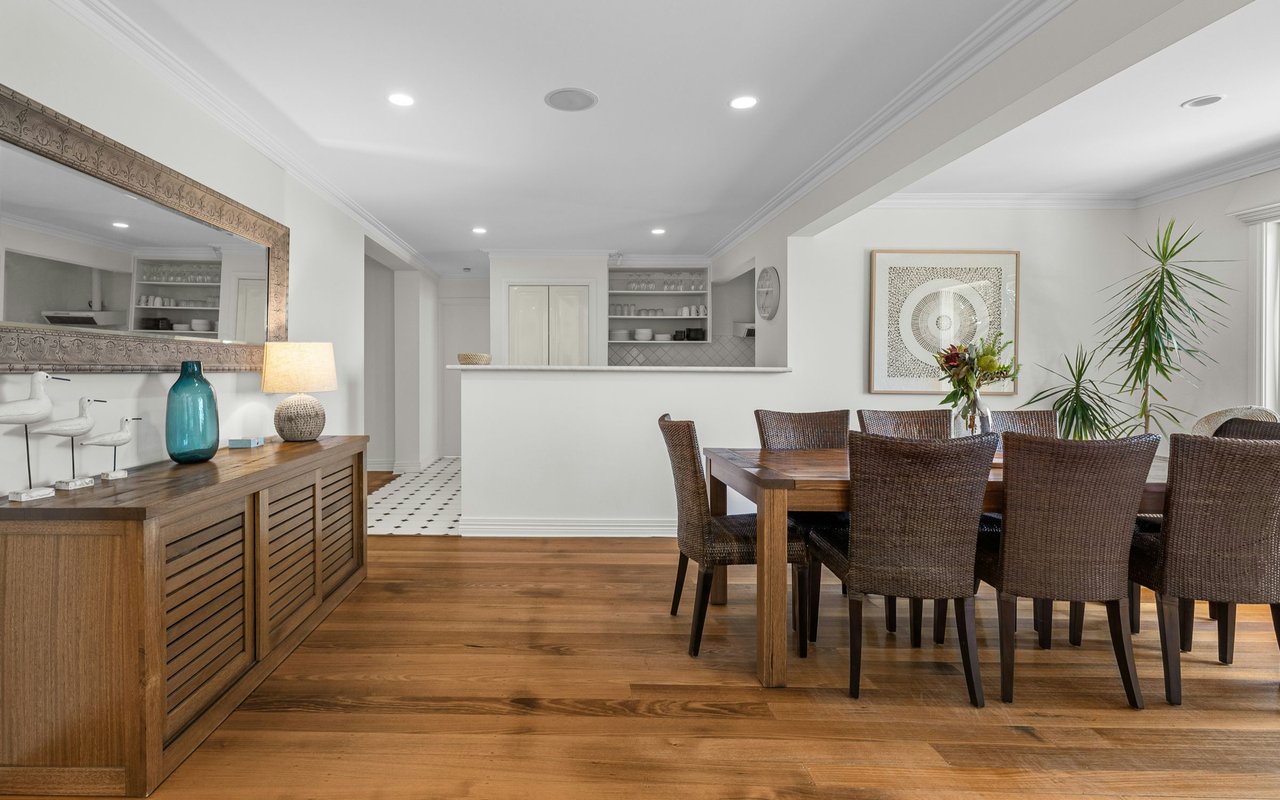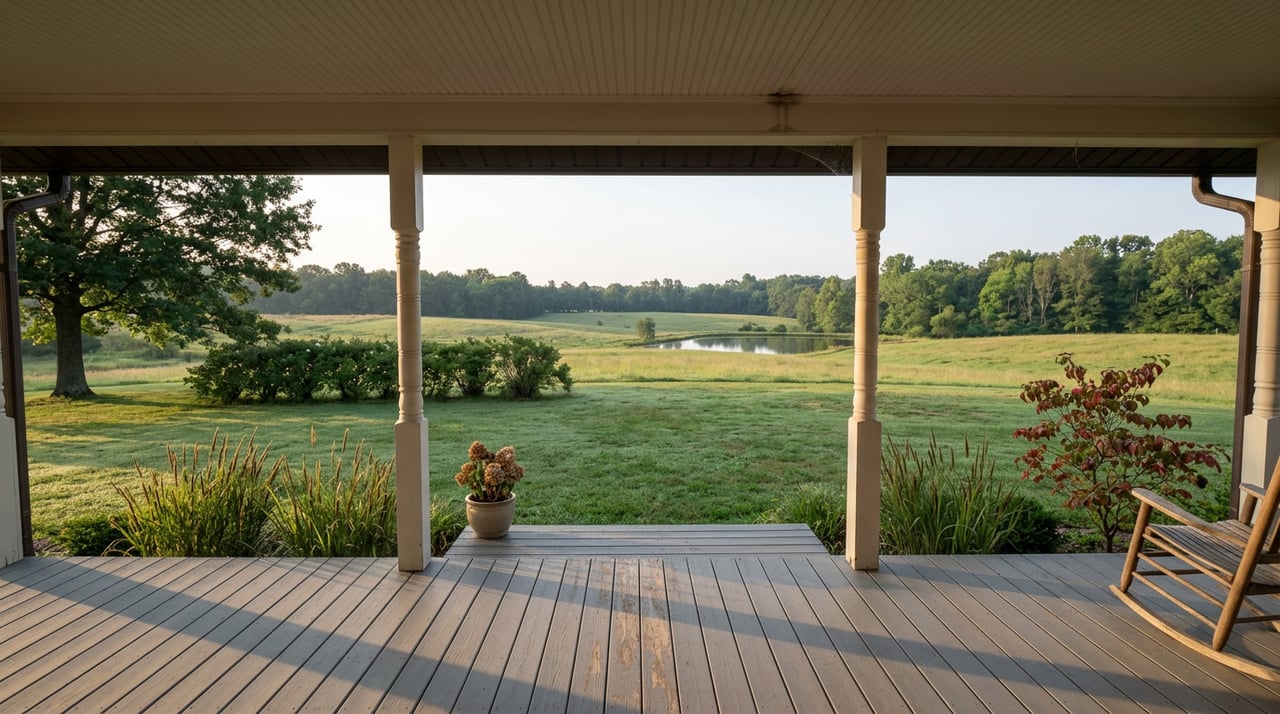
A young couple finds a three-bedroom ranch outside Byesville, on two acres, well within their budget. USDA Rural Development says eligible borrowers can receive 100% financing, and the loan officer confirms it: zero down, a rate in the low six percent range that felt out of reach a year ago. It sounds like the easiest close of their lives.
Then the lender's file comes back with a condition neither of them expected. The well needs a water test. The septic system needs to be evaluated. Nobody mentioned either of those the day they signed the offer.
This is not a story about a bad lender or a careless agent. It is what happens almost every time a USDA loan meets the kind of house that actually exists in Guernsey County. The zero-down headline is real. So is the paperwork behind it. Understanding both is the difference between a smooth closing and a scramble in the final two weeks.
The Loan Nearly Every First-Time Buyer Here Is Using
Guernsey County, including Cambridge and Byesville, sits entirely inside the USDA Rural Development footprint. There is no map to check, no address to look up against an ineligible zone. If the property is in this county, it qualifies on location alone, and buyers can confirm that instantly using the USDA's own property eligibility tool.
That geography matters because of who is actually using the program here. The typical USDA-backed buyer in Guernsey County carries a loan balance around $82,500 and is roughly 38 years old, and close to four out of five of these loans go to first-time buyers. This is not a niche financing option people stumble into. It is the default path for the exact buyer this county attracts most: someone early in their career, buying their first home, without a stack of savings for a down payment.
Local pricing makes the math work. As of August 2026, the median home price in Cambridge sat around $171,000, modest enough that a loan balance in the low six figures covers most of a purchase outright. Put a price point like that next to a zero-down federal program, and you get a market where a USDA loan is not the exception. It is often the plan.
Why Zero Down Doesn't Mean Zero Steps
Here is the part that rarely makes it into the loan officer's opening pitch. EffectiveAgents notes that government-backed loans, including USDA loans, usually require a water test for private wells, while conventional loans often do not unless a red flag appears.
| Loan type | Water test typically required |
|---|---|
| USDA | Yes, on private well properties |
| FHA | Yes, on private well properties |
| VA | Yes, on private well properties |
| Conventional | Usually not required unless a red flag appears |
This is not a Guernsey County rule. It is a lending rule that happens to matter enormously in a county where private wells and septic systems are common rather than rare. A buyer using a conventional loan on the same house might not need a water test unless a red flag appears.
The Housing Stock That Makes This Almost Guaranteed to Come Up
This is where the local numbers stop being abstract. Guernsey County's housing stock runs older and more rural than a lot of buyers expect walking in. The median home in the county was built around 1972, and detached single-family homes make up nearly three-quarters of the housing stock, with mobile and manufactured homes accounting for close to twelve percent of it.
Scroll through active listings in the county on any given week and the pattern shows up in the details agents write into the description, not a spreadsheet. A renovated ranch near Seneca Lake advertises a new septic system alongside new windows and a new roof. A property near Salt Fork State Park lists two homes on one parcel, both served by county water, propane, and their own septic systems. A vacant lot near Buffalo is marketed partly on the fact that public water and sewer are already available at the street, which is treated as a selling point precisely because it is not the default out there.
None of this is unusual for the area. It is what buying rural, in-budget property in this county typically looks like. Which means the water test a USDA loan typically requires is not a rare inconvenience. For a large share of the homes a first-time buyer here can actually afford, that paperwork is close to a certainty.
Who Actually Signs Off
Ohio does not run septic and well oversight from one state office. The Ohio Department of Health sets the baseline rules under Ohio Administrative Code Chapter 3701-29, but day-to-day permitting, inspection, and evaluation sit with each county's local health district. That means requirements that apply in a neighboring county do not automatically apply here, and the reverse is true too.
In Guernsey County, that authority is the Cambridge-Guernsey County Health Department, located at 326 Highland Ave in Cambridge and reachable at 740-439-3577. Their environmental health staff handle household sewage treatment system permitting and can speak directly to what a specific property will need before a sale closes. Because point-of-sale requirements vary so much county to county across Ohio, this is the call worth making early rather than the one made after a lender's condition shows up in writing. A five-minute conversation before an offer goes in can save two weeks of scrambling after it is accepted.
What This Means for Your Timeline and Offer
If you are shopping with a USDA, FHA, or VA loan and the property you like has a well or a septic system, build the testing timeline into your offer from the start rather than treating it as a closing week surprise. A water test typically takes days to return lab results, and a septic evaluation depends on access to the tank and, in some cases, weather.
Talk with your loan officer about exactly which tests your specific program requires before you write an offer, not after. Ask the seller about the age and maintenance history of the well and septic system as part of your due diligence, the same way you would ask about a roof or a furnace. And if the property is one you are excited about, get the health department conversation started the same week your offer is accepted, not the week before closing.
None of this makes a USDA loan a worse choice here. It remains the reason many first-time buyers in this county can own a home at all. It just means the zero in zero down refers to your down payment, not to the number of steps between an accepted offer and a signed deed.
A Few Common Questions
Does every well and septic home in Guernsey County require a county inspection before it can sell? Not automatically. Ohio septic oversight is set locally, and requirements differ by county rather than following one statewide rule. The Cambridge-Guernsey County Health Department can confirm what applies to a specific property, and that answer is worth getting before you write an offer.
Why does testing early in the process matter? A problem discovered a week before closing is a stressful negotiation. The same problem discovered a month earlier is just another item to work through calmly.
Is a USDA loan still worth it if my house has a well and septic system? For most first-time buyers in this county, yes. The zero-down structure is what makes homeownership possible in the first place, and the added testing is manageable with the right timeline. It is a step, not a dealbreaker.
If you are weighing a first home in Guernsey County and want to understand what a specific property might require before you write an offer, Morgan Denius can walk through the loan, the property, and the timeline together. Let's Connect.
This article is general information, not legal, tax or financial advice. Consult a qualified professional about your situation.